
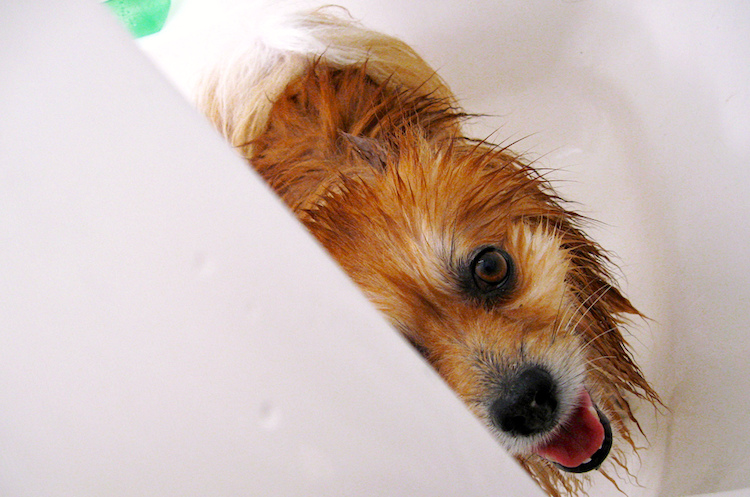
One moment your dog is sitting calmly. The next they are tearing through the house at full speed, sliding around corners, leaping over furniture, and doing laps around the yard with an expression of absolute delight. Then, just as suddenly, it stops. They collapse in a heap, tongue out, looking deeply satisfied.
If you have a dog, you have almost certainly witnessed this. It has a name. Veterinarians and animal behaviorists call it a Frenetic Random Activity Period, or FRAP. Dog owners call it the zoomies. Both descriptions are accurate.
Zoomies are one of the most entertaining things dogs do and also one of the most misunderstood. This guide covers the science behind why they happen, what triggers them, why post-bath zoomies deserve their own explanation, when the behavior is normal versus worth monitoring, and what you should actually do when your dog enters full FRAP mode.
- What zoomies are and what the science says about them
- The most common triggers for zoomies in dogs
- Why dogs specifically zoom after a bath
- What zoomies tell you about your dog’s emotional state
- Whether zoomies are more common in certain breeds or life stages
- When zoomies might signal something worth paying attention to
- How to manage zoomies safely
- FAQ covering the questions dog owners ask most
Don’t Guess When It Comes To Your Pet’s Care
Sign up for expert-backed reviews and safety alerts all in one place.

Don’t Guess When It Comes To Your Pet’s Care
Sign up for expert-backed reviews and safety alerts all in one place.
What Are Dog Zoomies? The Science Explained
The technical term, Frenetic Random Activity Period, does a decent job of describing what zoomies look like from the outside: sudden, frantic, apparently directionless bursts of movement. But the behavior is not random in any meaningful sense. It is a highly specific physiological and psychological response that serves real functions.
Zoomies are your dog’s nervous system releasing accumulated tension or excitement in the most efficient way available to them: explosive physical movement. The trigger is a buildup of arousal, whether that is excitement, relief, stress, or pent-up energy that has not had an outlet. When the internal pressure reaches a certain threshold, the body discharges it all at once.
What Research Tells Us
Animal behaviorists have studied FRAPs across multiple species, not just dogs. Similar burst-activity patterns appear in cats, horses, ferrets, and other mammals. The consistency across species suggests this is a deeply conserved mechanism rather than a quirk of domestication.
In dogs specifically, research from the field of animal cognition links FRAP behavior to emotional processing. A 2020 review published in Applied Animal Behaviour Science noted that dogs engage in burst motor activity as a mechanism for regulating emotional arousal, particularly following experiences that were either stressful or highly exciting. The behavior is not random movement. It is the body’s way of returning to baseline.
What we know about the physiology of zoomies:
- Cortisol and adrenaline: both stress hormones and excitement hormones create physiological arousal that the body needs to discharge. Physical movement is one of the most effective ways the body clears these chemicals
- Endorphin release: vigorous movement triggers the release of endorphins, which is why dogs often look genuinely euphoric during zoomies and deeply relaxed immediately afterward
- Nervous system regulation: the burst-and-crash pattern of zoomies mirrors the activation and recovery cycle of the autonomic nervous system, particularly in younger dogs whose regulatory capacity is still developing
The Most Common Triggers for Dog Zoomies
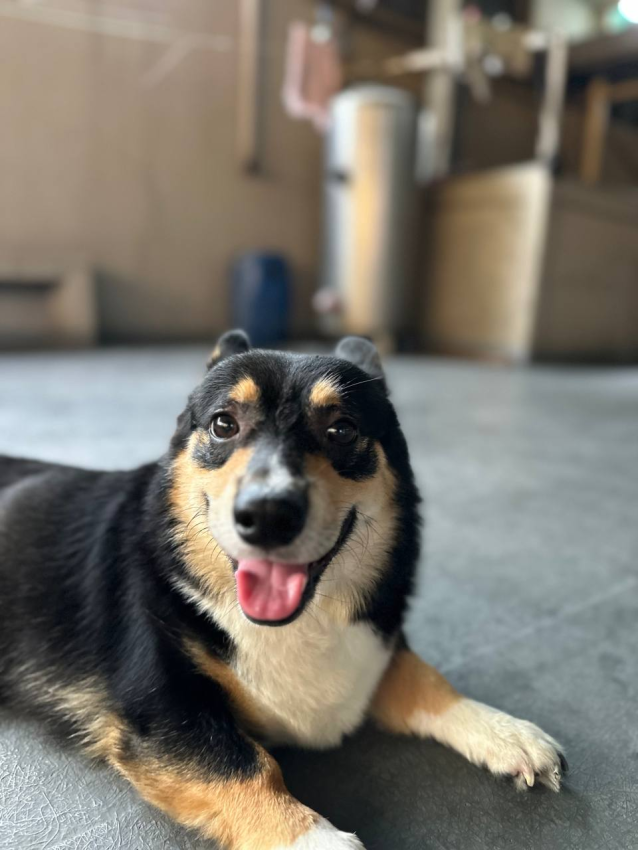
Zoomies do not appear out of nowhere, even when they seem to. There is always a trigger, though it is not always obvious. Understanding what sets them off helps you predict them, prevent them in inconvenient situations, and recognize what your dog is communicating.
After a Bath
Post-bath zoomies are so common and so consistent that they deserve to be treated as a category of their own. Almost every dog owner has experienced them, and there are actually several overlapping reasons why baths are such a reliable trigger.
Why bath time produces zoomies more reliably than almost anything else:
- Relief and adrenaline release: for many dogs, particularly those who are not enthusiastic bathers, the bath itself is a mildly stressful experience involving restraint, wet fur, unfamiliar smells, and loss of control. When it ends, the adrenaline that built up during the experience gets discharged all at once as zoomies
- Instinctive drying behavior: dogs dislike the sensation of wet fur. Rolling, shaking, and running help move water off the coat and restore the physical sensation of dryness. What looks like celebration is partly practical
- Scent disruption: dogs rely on their own scent as part of their identity and social signaling. The strong smell of shampoo masks that natural scent, which can be disorienting. Rolling on carpets and furniture after a bath is partly an attempt to restore a more familiar smell
- Sensory stimulation: the movement of air across wet fur creates a distinctive physical sensation that many dogs seem to find intensely stimulating, in a positive way. Moving faster intensifies it
- Pure celebration: for dogs who have learned that surviving the bath means freedom and treats, the post-bath zoom is also straightforwardly joyful. If bath time is consistently stressful for your dog, our guide to giving your dog a bath covers low-stress techniques that can make the whole experience easier for both of you

After Being Released From a Confined Space
A dog let out of a crate after a few hours, released from the car after a long drive, or let off the leash after a restrained walk has accumulated physical and mental energy with nowhere to go. The moment of release is the trigger, and zoomies are the immediate discharge. This is one of the clearest examples of the pent-up energy explanation for FRAP behavior.
At Specific Times of Day
Many dogs have predictable zoomie windows, often in the early morning or in the early evening, the period dog owners sometimes call the witching hour. These timing patterns are not coincidental. They map closely onto periods when the dog’s energy and arousal naturally peak, partly driven by circadian rhythms and partly by the anticipation of routine events like walks, feeding, or their owner coming home.
During or After Playtime
Play naturally escalates arousal. When excitement peaks during a play session or when play ends, the accumulated energy often tips over into a FRAP. This is especially common in puppies and young dogs who have less capacity to regulate their own arousal levels.
After Stressful Experiences
This one surprises some owners. A dog who has just been through something stressful, a vet visit, a nail trim, an interaction with an unfamiliar dog, may zoom afterward as a way of shaking off the experience. It is a form of emotional reset. The behavior is not a sign that the stress did not register. It is the nervous system actively processing and releasing it.
In Response to Weather
Cool weather, wind, and particularly that fresh charged quality in the air before or after a rainstorm are reliable zoomie triggers for many dogs. The environmental stimulation raises arousal, and the cooler temperature makes vigorous activity more comfortable. Some dogs get zoomies specifically when it rains.
What Zoomies Tell You About Your Dog’s Emotional State
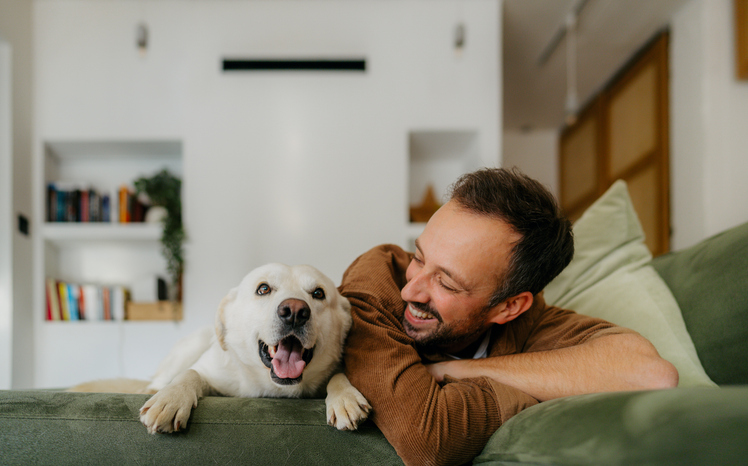
Zoomies are almost always a positive sign. They indicate a dog who is physically capable of vigorous movement, emotionally aroused enough to express it, and comfortable enough in their environment to let loose. A dog that never gets zoomies is not necessarily calmer or better behaved. They may simply be a dog whose energy levels or emotional range is more contained.
That said, the context matters. A dog who zooms after a play session or a run in the park is expressing joy. A dog who zooms after every single vet visit or every grooming appointment is showing you that those experiences are genuinely stressful and that they need that outlet to recover from them. The behavior looks the same in both cases, but it is telling you different things.
Reading the emotional context of zoomies:
- Zoomies after fun activities: joyful discharge of positive arousal. A very good sign
- Zoomies after stressful events: emotional reset behavior. Normal, but worth noting what the stressor was
- Zoomies at predictable times of day: energy management behavior. A signal that exercise or enrichment at those times would serve the dog well
- Zoomies in response to your energy: dogs are highly attuned to human excitement. If you get animated or playful, some dogs will FRAP in response to your emotional state
If you have noticed your dog following you closely before or after zoomies, that behavior is part of the same social attunement. Our article on why dogs follow you everywhere explains the instincts behind that shadowing behavior and what it communicates about the bond your dog feels with you.
Which Dogs Get Zoomies Most Often?
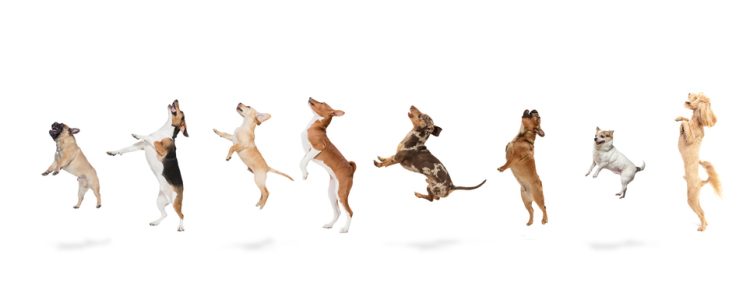
Any dog can get zoomies, but certain factors make them more frequent and more intense.
Age
Puppies and adolescent dogs are the zoomie champions. Their nervous systems are still developing the capacity for self-regulation, their energy levels are high, and they have not yet learned to dampen their excitement responses. Zoomies in young dogs can happen multiple times a day and can be genuinely spectacular in their intensity.
Adult dogs still get zoomies but usually less frequently and for shorter durations. Senior dogs may get occasional gentle versions, particularly during moments of particular excitement or relief. A senior dog who suddenly starts getting frequent intense zoomies after years of relative calm is worth a vet check, as changes in behavior in older dogs can occasionally reflect neurological or cognitive changes.
Breed
High-energy working breeds and herding breeds tend to have more frequent and more intense zoomies. Border Collies, Australian Shepherds, Jack Russell Terriers, Vizslas, and similar breeds have high arousal ceilings and need more outlets for physical and mental energy. Their zoomies reflect that.
Lower-energy breeds and senior dogs of any breed tend toward calmer expressions of the same impulse. A Basset Hound’s zoomies are a different experience than an Australian Cattle Dog’s, though both are equally genuine expressions of the same underlying behavior.
Individual Temperament
Within any breed, individual dogs vary significantly. Some dogs are naturally higher arousal and more expressive. Others are more internally contained. Neither is better or worse. It is simply personality.
When Zoomies Might Be Worth Paying Attention To
In the vast majority of cases, zoomies require no intervention and no concern. They are normal, healthy, and usually over in two minutes. There are a few specific situations, however, where it is worth taking a closer look.
Zoomies That Happen Very Frequently in Adult Dogs
A young dog zooming several times a day is normal. An adult dog who does it constantly, particularly if they seem unable to settle at other times, may be signaling that their exercise and mental stimulation needs are not being met. The zoomies are not the problem. They are the symptom. Adding structured exercise, enrichment, and training can significantly reduce the frequency.
Our guide to calming an energetic dog (petful.com/behaviors/calm-your-energetic-dog/) covers specific strategies for dogs whose arousal levels are consistently high and whose energy needs a more structured outlet than spontaneous FRAPs can provide.
Zoomies in Inappropriate or Unsafe Situations
A dog who zooms on hardwood floors, near stairs, around small children, or in traffic is a dog who needs management rather than the zoomies themselves addressed. The behavior is normal. The environment is the problem.
Zoomies Accompanied by Other Concerning Signs
Signs that zoomies may be something other than normal FRAP behavior:
- The dog seems disoriented or confused rather than joyful during the episode
- The movement is asymmetrical, circling in one direction only, rather than the typical chaotic pattern
- The dog loses balance or stumbles during the episode
- The dog seems distressed rather than happy before, during, or after
- Episodes are very prolonged and do not resolve on their own within a few minutes
Circling in one direction, disorientation, and loss of balance can in rare cases indicate neurological issues rather than FRAP behavior. If you notice these signs, particularly alongside other behavioral changes, a vet visit is the right next step.
How to Manage Dog Zoomies Safely
For most dogs in most situations, the best approach to zoomies is to stay out of the way and enjoy them. They are self-limiting, typically over in one to three minutes, and leave your dog calmer and more settled than before.
That said, there are situations where you want to either redirect or prevent zoomies, and a few situations where you might want to deliberately create conditions for them.
Making Zoomies Safer
Practical steps for managing zoomies in your home:
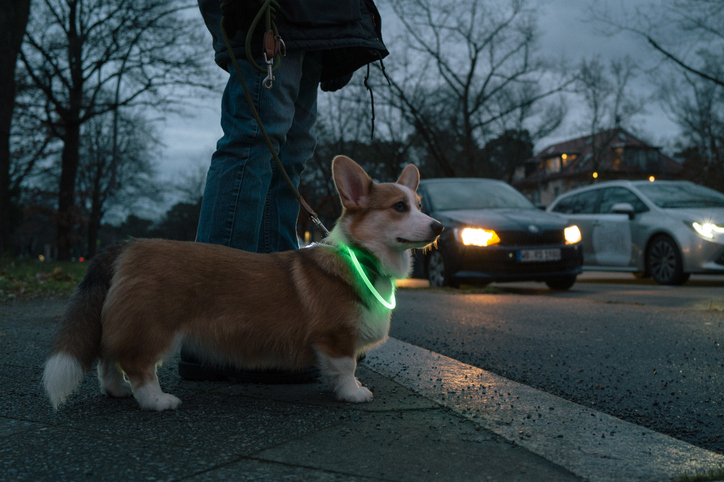
- Clear runways: if your dog has a predictable zoomie window, removing obstacles from their usual route reduces the chance of collisions or falls
- Use rugs on hard floors: hardwood and tile are slippery during high-speed turning. Area rugs give paws something to grip and reduce joint stress from sliding
- Move to the yard when possible: outdoor zoomies are safer than indoor ones. If you can read the pre-zoomie signals, getting your dog outside before it starts removes most of the risk
- Keep children calm: a dog in full zoomie mode running toward a small child who then screams and runs is a recipe for an accidental knock-over. Teaching children to stand still during zoomies rather than running is genuinely important
Redirecting Zoomies to Appropriate Spaces
You cannot stop a zoomie once it has started, and trying to do so usually makes the excitement worse. What you can do is condition your dog over time to associate the zoomie impulse with specific locations, like the yard, rather than the living room.
This works through consistent practice. When you see pre-zoomie signals, move to the yard and let the episode happen there. Over many repetitions, dogs often start self-directing to outdoor spaces when they feel the FRAP coming on.
Using Zoomies Strategically
Some owners learn to deliberately trigger zoomies at convenient times by using high-energy play immediately before a period when they need the dog to be calm. The logic is straightforward: a dog who has just FRAPed is a dog whose arousal has been discharged. They are typically calmer and more settled for the hour or two following a good zoom than they would have been without it.
Reading Pre-Zoomie Signals
Signs a zoomie is about to happen:
- A sudden low crouch with the hindquarters raised, sometimes called the play bow position
- Wide, bright eyes sometimes called whale eye or zoomie eyes
- Rapid wagging of the entire rear end rather than just the tail
- Short, quick barks or excited vocalizations
- Spinning in place or making small preliminary dashes
Practical Considerations for Dog Owners
Zoomies are one of the clearest windows into your dog’s emotional state that you will ever get. They are honest, unfiltered, and impossible to fake. A dog in the middle of a FRAP is a dog telling you exactly how they feel without any ambiguity.
The most useful thing you can do as an owner is learn to read them in context. Post-bath zoomies tell you the bath was stressful and your dog is relieved it is over. Morning zoomies tell you your dog’s energy peaked overnight and needs an outlet. Post-play zoomies tell you your dog had a genuinely good time.
What to take away from this for your daily routine:
- If your dog zooms every morning: build in exercise or enrichment earlier in the day to give that energy a more structured outlet
- If your dog zooms after every vet visit: their stress response is telling you those visits are genuinely difficult. Talk to your vet about low-stress handling techniques or consider a fear-free certified practice
- If your dog rarely or never zooms: this is not a problem. Some dogs simply do not express themselves this way. It says nothing about their happiness or health
- If your dog’s zoomies are becoming destructive: the issue is almost always insufficient daily exercise and mental stimulation rather than the behavior itself. Address the root need
Dogs that bark excessively during or around zoomie episodes are sometimes doing so out of the same pent-up energy that drives the FRAPs. Our guide to dog barking explains how to identify whether excess arousal is driving the vocalization and how to address it at the source.
- Dog zoomies are called Frenetic Random Activity Periods (FRAPs) and are completely normal in dogs of all ages
- They are triggered by pent-up energy, excitement, stress relief, or a peak in arousal
- Post-bath zoomies happen because of adrenaline release, instinctive drying behavior, and scent disruption combined
- Puppies and high-energy breeds experience zoomies more frequently than adult or lower-energy dogs
- The context of a zoomie tells you more than the behavior itself: joy, relief, and stress discharge all look similar but mean different things
- Make the environment safe rather than trying to stop zoomies mid-episode
- Frequent zoomies in adult dogs may signal a need for more exercise or mental stimulation
- Disorientation, one-directional circling, or loss of balance during episodes warrants a vet check
Conclusion
Dog zoomies are one of those behaviors that looks chaotic from the outside but makes complete sense once you understand what is driving them. Your dog is not malfunctioning. They are not being disobedient. They are doing something their nervous system has been built to do: discharge accumulated energy and emotion through explosive physical movement, then return to calm.
Frequently Asked Questions (FAQ)
What are dog zoomies exactly?
Zoomies are sudden, intense bursts of running and movement that dogs engage in seemingly out of nowhere. The technical term is Frenetic Random Activity Period, or FRAP. They are a normal behavioral mechanism for releasing pent-up energy, excitement, or stress. Most episodes last one to three minutes and end with the dog looking noticeably calmer and more relaxed than before.
Why does my dog get the zoomies after a bath?
Post-bath zoomies are driven by several overlapping factors. Many dogs find baths mildly stressful, so the end of the bath triggers an adrenaline release that comes out as running. Dogs also dislike the sensation of wet fur and run partly to help dry off. The strong smell of shampoo can be disorienting for a dog whose identity is closely tied to their natural scent, and the frantic movement after a bath is partly an attempt to restore familiarity. For dogs who have learned that surviving the bath means freedom and rewards, the zoomies also contain a genuine element of celebration.
Are dog zoomies a sign of happiness?
Usually, yes. Zoomies triggered by play, social interaction, good weather, or the end of a fun experience are expressions of joy. However, zoomies triggered by the end of a stressful experience, like a vet visit or a grooming session, are more accurately described as stress discharge than happiness. The behavior looks the same in both cases, but the context tells you which is which. Both are normal and healthy responses.
Should I be worried about my dog’s zoomies?
In almost all cases, no. Zoomies are normal and self-limiting. The situations that warrant attention are: episodes that include disorientation, loss of balance, or circling in only one direction (which can indicate neurological issues rather than FRAP behavior); very frequent intense zoomies in adult dogs that suggest unmet exercise needs; and zoomies in unsafe environments where the dog risks injury. A dog who zooms happily and then settles calmly is doing exactly what dogs do.
Can I stop my dog from getting the zoomies?
You cannot reliably stop a zoomie once it has started, and trying to do so typically makes the arousal worse. What you can do is reduce their frequency by ensuring your dog gets adequate daily exercise and mental stimulation, which lowers baseline arousal levels over time. You can also condition your dog to associate the FRAP impulse with specific safe spaces, like the backyard, by consistently redirecting them there when pre-zoomie signals appear. But some degree of zoomies in a healthy, active dog is simply normal and not something that needs to be eliminated.
Do older dogs still get zoomies?
Yes, though less frequently and usually with less intensity than younger dogs. A senior dog who gets occasional gentle zoomies is doing something healthy and joyful. A senior dog who suddenly develops frequent or intense zoomies after years of calm, however, is worth a veterinary check. Significant behavioral changes in older dogs can occasionally reflect cognitive dysfunction, pain, or neurological changes rather than straightforward FRAP behavior.
Why does my dog zoom at the same time every day?
Predictable zoomie windows usually reflect the dog’s natural energy cycle, which is partly driven by circadian rhythms and partly by routine anticipation. Morning zoomies often reflect energy that built up overnight. Early evening zoomies, sometimes called the witching hour, reflect a natural energy peak that many dogs experience before their evening meal or walk. These patterns are a useful signal: your dog is telling you exactly when their energy peaks and when exercise or enrichment would be most beneficial.