
Petful may earn a commission if you click on our links and make a purchase. This comes at no extra cost to you and helps us continue providing trusted pet product reviews.
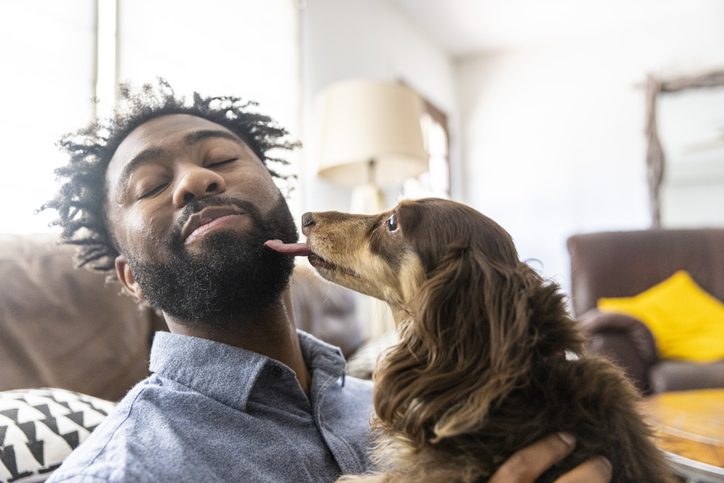
Dogs lick you to show affection, get your attention, or simply because you taste good to them. It’s one of the most natural dog behaviors there is. But if the constant licking is driving you nuts, you can train your dog to stop, usually within a couple of weeks.
The key is simple: remove the reward. Most licking is attention-seeking, so when you stop reacting (no eye contact, no pushing away, no laughing), your dog loses the incentive. Pair that with redirecting to a better behavior like “sit” or “shake,” and the licking fades fast.
Below, I’ll break down exactly why your dog licks you in the first place, when licking signals something more serious, and step-by-step training to stop it for good. This guide is vet-reviewed and written by a certified canine behaviorist.
- Licking is a natural behavior: Dogs lick to show affection, seek attention, or communicate submissiveness.
- Excessive licking can have causes: Anxiety, boredom, or even underlying health issues can lead to compulsive licking.
- Redirect the behavior gently: Use positive reinforcement, offer toys or chew treats, and avoid punishment.
- Set clear boundaries: Consistent training and calmly moving away when your dog licks help teach what’s acceptable.
Don’t Guess When It Comes To Your Pet’s Care
Sign up for expert-backed reviews and safety alerts all in one place.

Don’t Guess When It Comes To Your Pet’s Care
Sign up for expert-backed reviews and safety alerts all in one place.
When to Be Concerned About a Dog Licking You
Not all licking means the same thing. Your dog’s motivation depends on the context, their body language, and even where on your body they’re targeting. Here are the most common reasons dogs lick people:
- Affection and bonding. Licking releases endorphins in dogs, making it a self-soothing behavior that also strengthens their bond with you. Think of it as your dog’s version of a hug.
- Attention-seeking. If you’ve ever laughed, talked to, or even pushed your dog away when they licked you, congratulations: you taught them that licking works. Any reaction, positive or negative, can reinforce the habit.
- You taste interesting. Your skin carries salt from sweat, traces of food, and natural oils that dogs find appealing. This is especially true after meals, workouts, or time spent outdoors.
- Exploration. Dogs experience the world through scent and taste. Licking you is their way of gathering information, similar to how we might pick something up to get a closer look.
- Greeting behavior. In the wild, puppies lick the mouths of adult dogs as a greeting and to signal they want food. Your dog’s “hello” licks when you walk in the door are a domesticated version of this instinct.
- Submissiveness or appeasement. A dog who licks you with a lowered body, tucked tail, or averted eyes is often communicating “I’m not a threat.” This is common in dogs who are anxious around new people or in unfamiliar environments.
- Anxiety or stress. Repetitive licking can be a coping mechanism for nervous dogs. If the licking spikes during storms, fireworks, or when you’re about to leave the house, anxiety is likely the driver. Dogs dealing with separation anxiety are especially prone to compulsive licking.
Understanding which reason applies to your dog makes the training process much more effective. A dog licking for attention needs a different approach than a dog licking out of anxiety.
Why Does My Dog Lick My Face?
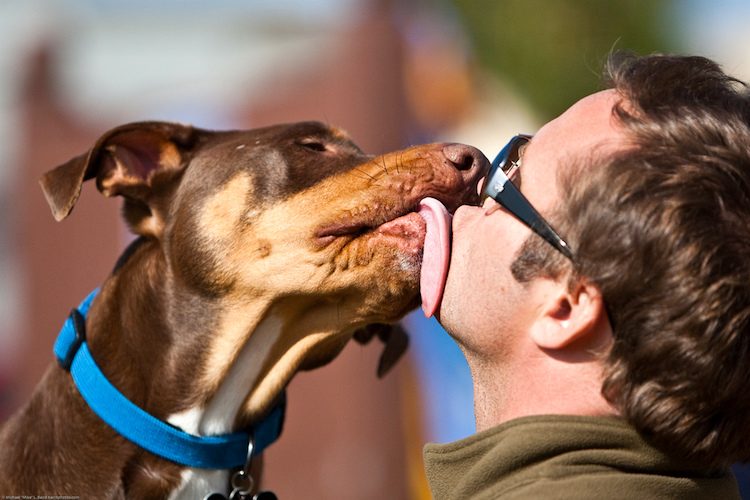
Face licking is one of the most common (and most polarizing) forms of dog licking. It’s rooted in puppy behavior: young dogs lick the mouths of adult dogs as a greeting and to solicit food. When your dog goes straight for your face, they’re tapping into that same hardwired instinct.
Your face also tends to get the biggest reaction. Laughing, turning away, or gently pushing your dog down are all forms of attention, and that feedback loop keeps the face licking going. If you want to understand this behavior in more depth, check out our full guide on why your dog keeps licking your face.
As for hygiene: dog mouths do carry bacteria, but for healthy adults, an occasional face lick isn’t dangerous. That said, keep dog saliva away from open cuts or broken skin, and immunocompromised individuals should be more cautious.
Why Does My Dog Lick My Hands?
Hands are the easiest part of you for your dog to reach, and they happen to carry the most interesting scents. Residual food smells, salt from sweat, and lotions or creams all make your hands a sensory buffet.
Hand licking is also a common greeting ritual. When you reach down to pet your dog, a quick lick is their way of saying hello and gathering information about where you’ve been and what you’ve touched.
Occasional hand licking is perfectly normal. If your dog is targeting your hands obsessively or won’t stop even when redirected, it may be worth looking into whether anxiety or compulsive behavior is at play.
Why Is My Dog Licking Everything? When Licking Goes Beyond Normal
If your dog isn’t just licking you but also the couch, the floor, the walls, or their own paws nonstop, that’s a different situation. Excessive licking of surfaces (sometimes called ELS) is often tied to an underlying medical issue rather than a behavioral one.
Medical causes to rule out first:
- Gastrointestinal problems (nausea, acid reflux, inflammatory bowel disease)
- Dental pain or oral discomfort
- Allergies (environmental or food-related, especially with paw licking)
- Neurological conditions in older dogs
Behavioral causes:
- Boredom or lack of mental stimulation
- Anxiety, including separation anxiety
- Compulsive disorder (similar to OCD in humans)
A veterinary study found that nearly three out of four dogs with excessive surface licking had an underlying GI condition. So if your dog has started licking everything in sight, a vet visit should be your first step, not training.
If your dog is repeatedly licking a specific spot on their own body, that can point to pain, injury, or a skin condition in that area. Learn more about why dogs lick sore spots and wounds and when it needs medical attention.
When Should You Be Worried About Your Dog’s Licking?
Most licking is harmless. But there are a few situations where it signals something that needs professional attention:
- A sudden increase in licking. If your dog was never much of a licker and the behavior appeared out of nowhere, something changed. New stressors, a dietary issue, or a developing health problem could be the cause.
- Licking paired with other symptoms. Licking combined with vomiting, diarrhea, lethargy, loss of appetite, or excessive drooling points toward a medical issue rather than a behavioral one.
- Self-licking that causes damage. If your dog is licking their paws, legs, or flanks to the point of creating raw patches, hot spots, or hair loss, that’s compulsive behavior that needs intervention.
- Licking as a fear response. A dog who licks frantically during stressful situations (vet visits, thunderstorms, meeting strangers) may be dealing with an anxiety disorder that goes beyond normal nervousness.
The bottom line: If you’re unsure whether your dog’s licking is normal or not, talk to your vet first. Once medical causes are ruled out, a certified behaviorist can help with the training side. Don’t skip the vet step. What looks like a behavioral quirk is sometimes a dog’s only way of telling you something hurts.

How to Stop a Dog From Licking You: 4 Steps That Actually Work
Step 1: Remove the Reward
Licking is almost always attention-seeking, and attention includes any reaction. Laughing, pushing your dog away, saying “no,” or making eye contact all count as rewards in your dog’s mind.
When your dog starts licking, go completely neutral. No eye contact, no words, no touch. Just calmly stand up and turn away. You’re not punishing your dog. You’re simply showing them that licking makes you boring.
Step 2: Walk Away
If turning away isn’t enough, calmly leave the room. No drama, no “Nope!,” no door slamming. Just a quiet exit. Wait about 15 to 20 seconds, then come back.
If your dog immediately starts licking again, leave again. Repeat as many times as it takes. Most dogs start connecting the dots within a few sessions: licking makes my person disappear.
This part takes patience. Your dog has been rewarded for licking (probably for months or years), so the first few days may feel like nothing is working. Stick with it. The behavior often gets slightly worse before it gets better, which is actually a sign the training is taking hold.
Step 3: Redirect to a Better Behavior
Don’t just take away the licking. Give your dog something else to do that earns your attention. This is where a lot of people skip ahead, but it’s the piece that makes the training stick.
Good replacement behaviors:
- “Sit” or “down” as a greeting behavior when you come home
- “Shake” or “touch” (nose to your palm) as a way to interact with you physically without licking
- “Go get your toy” to redirect that mouth energy toward something appropriate
The moment your dog offers the replacement behavior instead of licking, reward them immediately with attention, praise, or a treat. You’re not eliminating your dog’s need for interaction. You’re just changing how they ask for it.
Step 4: Get Everyone on the Same Page
This is where most training falls apart. If you’re ignoring the licking but your partner thinks it’s cute, or your kids are letting the dog lick peanut butter off their fingers, your dog is getting mixed signals.
Everyone in the household needs to follow the same rules:
- No reacting to licking (not even “ew, stop”)
- Same calm walk-away response
- Same replacement behavior being rewarded
Consistency across the whole family is more important than any single training technique. A dog who gets rewarded for licking by even one person will keep trying with everyone.
What NOT to Do
- Don’t yell or punish. Harsh corrections create anxiety, and anxious dogs often lick more, not less. If your dog is licking because they’re already stressed, punishment makes the root problem worse.
- Don’t use physical corrections. Pushing your dog’s face away, holding their muzzle, or pinning them down damages trust and doesn’t teach an alternative behavior.
- Don’t expect overnight results. If the licking has been happening for a long time, your dog has a deeply reinforced habit. Two weeks of consistent training is a reasonable timeline for most dogs. For dogs with anxiety-driven licking, working with a certified behaviorist may be necessary alongside the training.
The behaviorist in the video below offers more tips on how to stop a dog from licking you:

Recommended Toys and Chew Treats to Redirect Licking
If your dog tends to lick out of boredom or anxiety, providing the right toys and chew treats can keep them happily occupied while protecting your skin and clothes. Here are a few great options to consider:
- Interactive Puzzle Toys: Mentally stimulating toys keep your dog engaged and reduce stress-related licking.
- Durable Rubber Chew Toys: Long-lasting favorites like KONGs can be filled with treats or peanut butter for distraction and enrichment.
- Natural Chew Treats: Choose digestible options like bully sticks, dental chews, or yak milk chews for safe, satisfying chewing.
- Comfort Plush Toys: Soft toys with squeakers can help comfort dogs that lick for attention or emotional reassurance.
- Frozen Treat Toys: Freeze-safe toys let you create cool, long-lasting snacks perfect for calming high-energy or anxious dogs.
Always supervise your dog while chewing and select toys appropriate for their size and chewing strength.
Keep an eye on these signals as you work through the process:
- The licking gets worse at first. This is normal. It’s called an “extinction burst,” and it means the training is working. Stay consistent and it will pass within a few days.
- Your dog switches to jumping, pawing, or barking. Same fix: ignore the unwanted behavior, reward the replacement one.
- Licking spikes during storms, guests arriving, or you leaving. That points to anxiety, not habit. A vet or behaviorist should be involved.
- Your dog starts licking themselves raw. Hot spots, hair loss, or raw patches from self-licking need a vet visit, not more training.
- No improvement after 2 to 3 weeks. If the whole household has been consistent and nothing’s changed, it’s time for professional help.
The Bottom Line on Dog Licking
Licking is a completely normal part of being a dog. Your pet isn’t broken, misbehaving, or trying to annoy you. They’re communicating in one of the few ways they know how.
If the licking doesn’t bother you, there’s no reason to stop it. But if it’s become excessive or you’d simply prefer less slobber in your life, the fix is straightforward: stop rewarding the licking, teach your dog a better way to get your attention, and make sure everyone in your household is on the same page.
Most dogs figure it out within a couple of weeks. For the ones who don’t, a vet checkup to rule out medical causes followed by a few sessions with a qualified behaviorist will almost always get you there.
The most important thing? Be patient with your dog. They’ve been licking their whole life and probably getting attention for it the entire time. Unlearning that takes a little time, but it’s one of the easier behavior changes to make once you commit to it.
Frequently Asked Questions (FAQ)
Why does my dog lick me so much?
Dogs lick excessively for a few common reasons: they’re seeking attention, they’re bored, or they’ve learned that licking gets a reaction from you. If the licking started suddenly or seems compulsive, check for medical causes like nausea, allergies, or GI discomfort. In most cases, consistent training (ignoring the licking and rewarding calm behavior) reduces it within 1 to 2 weeks.
Is it safe to let my dog lick my face?
For most healthy people, an occasional face lick is not dangerous. Dog saliva does carry bacteria, but the risk of infection is very low unless you have open wounds or a weakened immune system. If it bothers you, redirect your dog’s licking to your hand or teach a replacement greeting behavior like “sit.”
Why does my dog lick me when I pet them?
Licking during petting is usually reciprocal affection. Your dog is “grooming” you back. It can also be an appeasement signal, especially if your dog is showing submissive body language like rolling over or averting their eyes. This type of licking is normal and typically nothing to worry about.
Can excessive licking be a sign of a health problem?
Yes. Excessive licking of people, themselves, or surfaces can indicate gastrointestinal issues, nausea, dental pain, allergies, or cognitive decline in senior dogs. A veterinary study found that nearly three out of four dogs with excessive surface licking had an underlying GI condition. If the behavior started suddenly or comes with other symptoms, consult your vet before attempting behavioral training.
How do I stop my dog from licking my hands?
Stand up and fold your arms when the licking starts to remove the target. Then ask your dog for an alternative behavior (sit, shake, or “go to your mat”) and reward that instead. Everyone in the household needs to respond the same way. Most dogs adjust within a few days if no one rewards the hand licking with attention.
Why does my dog lick my feet?
Feet carry a concentrated scent from sweat and tend to be salty, making them especially appealing to dogs. It’s almost always sensory exploration rather than a behavioral concern. If it bothers you, keep socks on and redirect to a chew toy when the licking starts.
Do dogs lick to show dominance?
No. This is a common myth. Licking is almost always a submissive or affiliative behavior. In wolf social groups, subordinate animals lick the mouths of higher-ranking members as a greeting and appeasement gesture. When your dog licks you, they’re communicating respect and affection, not trying to assert control.
Why does my dog lick the couch, floor, or walls?
Excessive surface licking is often medical rather than behavioral. Research has linked it to gastrointestinal conditions including acid reflux, inflammatory bowel disease, and chronic nausea. If your dog is regularly licking furniture, floors, or walls, schedule a vet visit before assuming it’s a habit or boredom issue.
References
- Bécuwe-Bonnet, V., Bélanger, M.C., Frank, D., Parent, J., and Hélie, P. “Gastrointestinal Disorders in Dogs with Excessive Licking of Surfaces.” Journal of Veterinary Behavior 7, no. 4 (July-August 2012): 194-204. https://www.sciencedirect.com/science/article/abs/pii/S1558787811001225
- Hall, N.J., Protopopova, A., and Wynne, C.D.L. “The Role of Environmental and Owner-Provided Consequences in Canine Stereotypy and Compulsive Behavior.” Journal of Veterinary Behavior 10, no. 1 (January-February 2015): 24-35. https://www.sciencedirect.com/science/article/pii/S1558787814002238
- Odendaal, J.S.J., and Meintjes, R.A. “Neurophysiological Correlates of Affiliative Behaviour between Humans and Dogs.” The Veterinary Journal 165, no. 3 (May 2003): 296-301. https://pubmed.ncbi.nlm.nih.gov/12672376/