Great Pyrenees grooming centers on a dense weather-resistant double coat that sheds year-round and often releases far more undercoat seasonally. Most dogs need a thorough brushing at least weekly, with shorter, more frequent sessions during coat blow. The routine also includes nails, paws, ears, teeth, skin checks, occasional bathing, and complete drying.
This guide explains line brushing, tool order, mats, bathing, shedding, and why shaving is usually inappropriate for a healthy double coat. Coat care should be comfortable. Pain, inflamed skin, severe matting, odor, discharge, sudden hair loss, or a dog who cannot be handled safely requires professional help.
Great Pyrenees grooming at a glance
- 1Brush to the skin in small sections rather than skimming the white surface
- 2Expect year-round shedding and heavier seasonal coat release
- 3Match tools to the coat and use light pressure
- 4Do not routinely shave a healthy double coat to control shedding
- 5Check skin, ears, paws, nails and teeth during every grooming cycle
The American Kennel Club Great Pyrenees profile describes a dense double coat with a long, coarse outer layer and softer undercoat. The official breed reference helps explain why a one-tool cosmetic pass is not enough.
Great Pyrenees grooming should reach the skin without scraping it, separate loose undercoat without cutting healthy coat and include a hands-on check of ears, paws, nails, teeth and hidden skin. Track where tangles form and how the dog tolerates each step. A Great Pyrenees grooming schedule is a starting rhythm, not a rigid calendar; coat release, weather, work, skin disease and drying capacity determine when care needs to change.
Great Pyrenees grooming schedule
| Task | Starting frequency | Adjust when |
|---|---|---|
| Coat check and brushing | At least weekly | More often during coat blow, burrs, mud or tangles |
| Nail check | Weekly; trim as needed | Clicking, altered posture or rapid growth |
| Ear and skin check | Weekly and after wet activity | Odor, redness, discharge, pain or head shaking |
| Bath | When dirty or directed | Skin disease, swimming, work and drying capacity |
| Dental care | Frequent home brushing as tolerated | Veterinary dental findings or mouth pain |
| Professional groomer | As coat and handling require | Impacted coat, painful mats or unsafe handling |
Do Great Pyrenees require a lot of grooming?
The short answer is yes: Great Pyrenees require consistent double-coat care. Plan on a thorough weekly brushing, more frequent sessions during seasonal coat blow, regular nail and dewclaw checks and occasional bathing with complete drying. Dogs that collect burrs, swim, mat easily or resist handling may need additional home sessions or professional help even when the white outer coat looks clean.
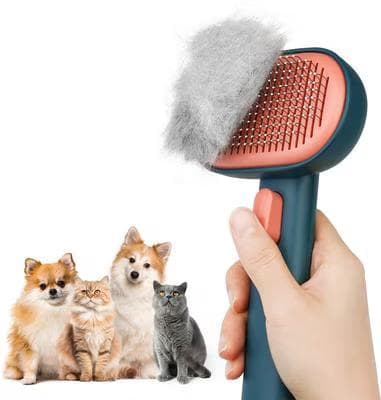
- Compare the aumuca self-cleaning slicker brush with the Pyr’s outer-coat length, undercoat density and tolerance for line brushing. Work one small zone at a time, verify progress with a comb and stop before repeated passes irritate the skin.
Petful may earn a commission when you click through to Chewy, at no extra cost to you.
- If the aumuca self-cleaning slicker brush remains comfortable, use your fingers and comb to confirm the section is clear to the skin. Snagging, redness or defensive handling signals calls for a technique change or professional help, not more force.
Understanding the double coat
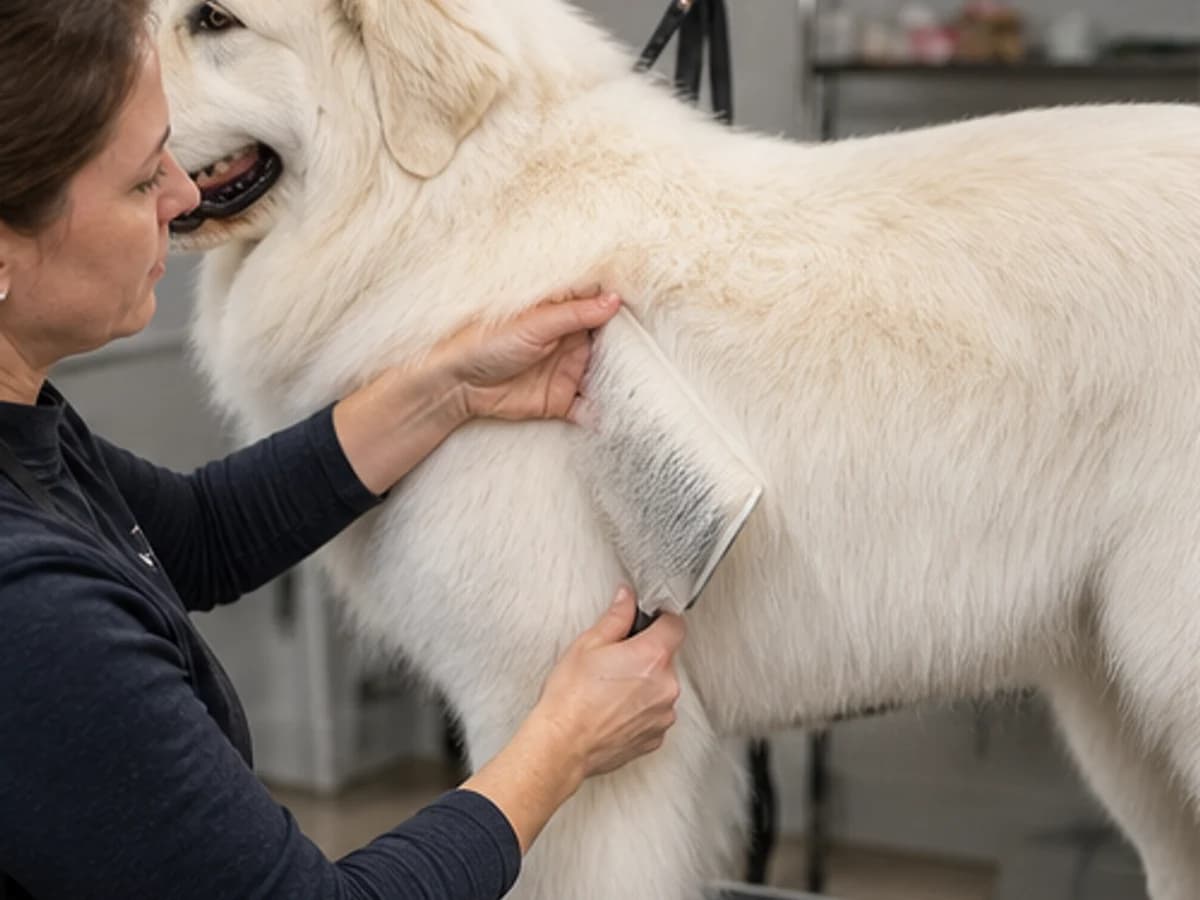
The outer coat helps shed dirt and moisture, while the undercoat provides insulation. Seasonal and hormonal cycles influence shedding, and indoor light and climate can blur the classic spring and fall pattern. A spayed or neutered coat may also change in texture.
Shedding cannot be eliminated without changing the dog. Brushing removes loose hair before it falls around the house and prevents some tangles, but aggressive de-shedding can break coat and irritate skin. Vacuuming, washable covers, air filtration, and realistic expectations belong in the plan.
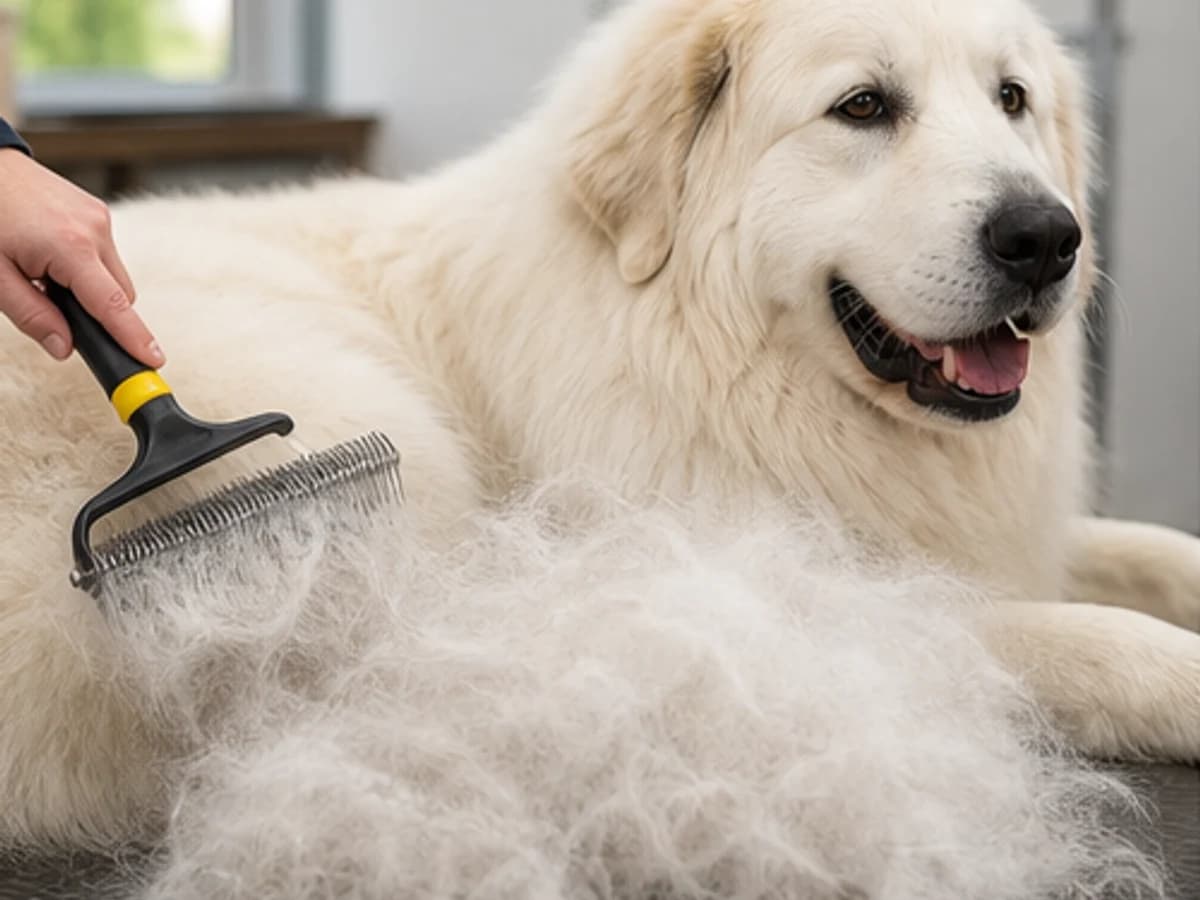
Questions involving great pyrenees grooming tools, great pyrenees grooming brush, and How to find and handle mats are best resolved by connecting the label to the individual dog’s records, condition, behavior and daily care needs. A practical kit may include fingers, a slicker brush, an undercoat or de-shedding tool used carefully, a wide-tooth comb, a finer comb for selected feathering, blunt-tip grooming scissors for emergencies only, towels, a nonslip mat, dog-safe shampoo, nail equipment, and high-value rewards.
How to compare coat tools
The aumuca self-cleaning slicker brush is one tracked option for section-by-section surface work. Test it on your forearm, use light pressure, and keep the brush moving in the direction of coat growth.
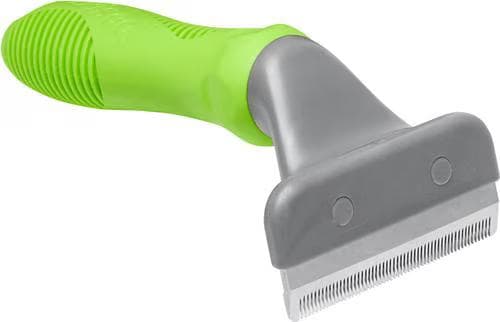
The Frisco medium-to-long-hair deshedding brush is one tracked option for loose undercoat. It should not be scraped repeatedly over the same skin, used on wet tangled coat, or forced through mats.
No single tool proves a complete groom. After using the aumuca slicker brush, use fingers and an appropriate comb to check whether deeper tangles remain. After using the Frisco deshedding brush, part the coat and check for redness or breakage.
How to line-brush a Great Pyrenees
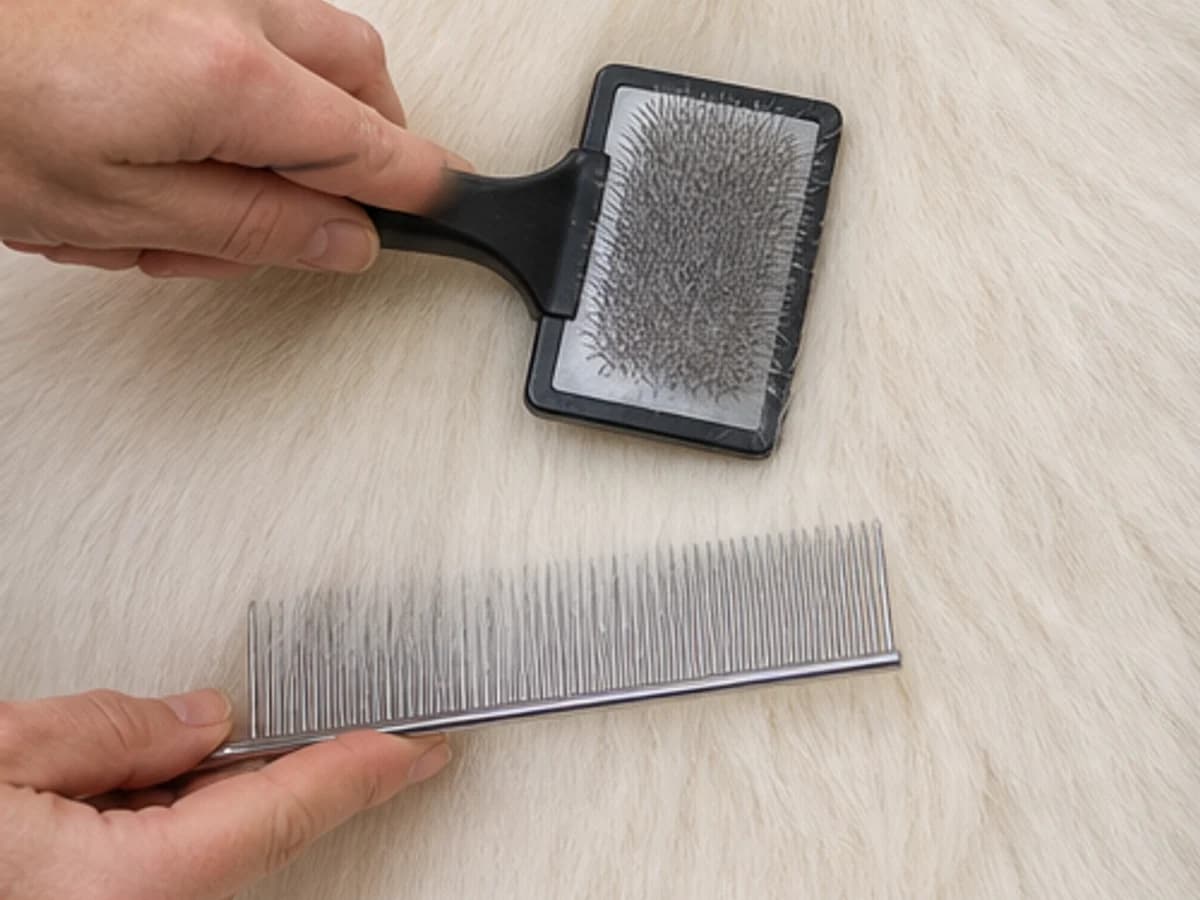
Line brushing separates the coat into small sections so the tool reaches loose undercoat without dragging through a large mass.
- Work on a dry dog standing or lying comfortably on nonslip footing.
- Use your hand to lift a horizontal layer of coat.
- Brush the exposed lower line gently from skin outward.
- Lower a small amount of coat and repeat.
- Check progress with fingers and a comb.
- Reward calm participation and take breaks.
Start at an area the dog tolerates rather than the most tangled spot. Common trouble areas include behind the ears, under the collar, armpits, rear feathering, tail, belly, and friction points. Do not yank a leg sideways or force the dog to remain standing through fatigue.
Teach cooperative grooming
Show the brush, reward, touch the shoulder, reward, make one stroke, reward, and stop. Gradually build duration. A chin rest on a towel or voluntary side-lying can become a consent signal. If the dog lifts its head or moves away, pause and reassess.
Growling, freezing, lip lifting, frantic escape, or snapping is not a reason to restrain harder. Pain, fear, handling history, and mat tension may be involved. A veterinarian, fear-aware groomer, or qualified behavior professional can design a safer plan.
- Match the Frisco medium-to-long-hair deshedding brush to loose seasonal undercoat rather than dragging it through mats or wet coat. Check the skin after a few strokes and keep the session short enough that the dog can remain cooperative.
Petful may earn a commission when you click through to Chewy, at no extra cost to you.
- Continue with the Frisco medium-to-long-hair deshedding brush only while it removes loose coat without cutting, pulling or inflaming the skin. Odor, sores, sudden hair loss or painful packed coat needs the appropriate groomer or veterinarian.
Managing seasonal coat blow
Questions involving Great Pyrenees coat and shedding at a glance are best resolved by matching care to the actual coat, skin condition and veterinary guidance rather than cosmetic claims. During coat blow, loose undercoat may appear in clumps and brushing can produce bags of hair. Increase frequency while shortening sessions. Work methodically rather than trying to remove everything in one day. Bathing followed by thorough drying can help release coat when the dog tolerates both and the home can dry the skin completely. A professional groomer with giant-dog equipment may be more practical. Never leave dense undercoat damp, especially in warm skin folds or friction areas. Household management matters:
- Use washable covers on resting areas.
- Vacuum before hair compacts into carpet.
- Groom outdoors only in a secure area and collect loose coat.
- Clean dryer and HVAC filters as appropriate.
- Store tools where children and the dog cannot access them.
Mats and impacted coat
A mat pulls on skin and traps moisture. Do not bathe a tight mat before removal because water can tighten it. Do not cut toward the skin with ordinary scissors; folded skin can be drawn into the mat and cut accidentally.
Small loose tangles may separate with fingers and detangling support appropriate for dogs. Tight, broad, painful, wet, foul-smelling, or skin-adhered mats need a professional. Medical clipping may be kinder than prolonged dematting.
White coat can hide skin injury
- Part the coat to the skin. Redness, sores, moisture, odor, discharge, parasites or pain require more than cosmetic brushing. Stop and arrange grooming or veterinary care appropriate to the finding.
Bathing a Great Pyrenees
Questions involving Why shaving a Great Pyrenees is usually inappropriate are best resolved by connecting the label to the individual dog’s records, condition, behavior and daily care needs.
Bathing frequency depends on dirt, work, skin, swimming, and the ability to dry the dog. Many healthy companion Pyrs do not need frequent shampoo. Brush loose coat and tangles first, protect footing, use lukewarm water, wet fully, dilute products if directed, rinse until water is clear, and dry to the skin.
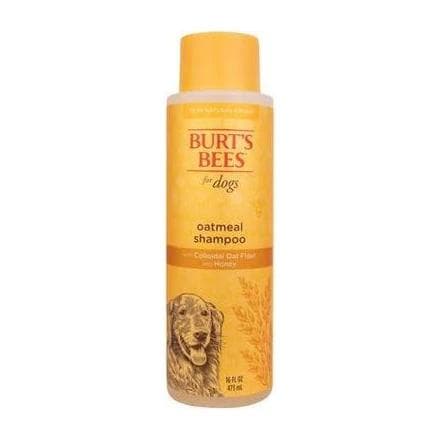
The Burt’s Bees oatmeal dog shampoo is one tracked retail option for routine cleaning. “Oatmeal” does not make a product a treatment for infection, parasites, or allergy, and any dog can react to an ingredient.
When using the Burt’s Bees oatmeal shampoo, follow the current label, avoid eyes and ear canals, rinse completely, and stop for redness, swelling, hives, vomiting, breathing change, or severe itching. Contact a veterinarian for concerning reactions.
Drying is part of the bath
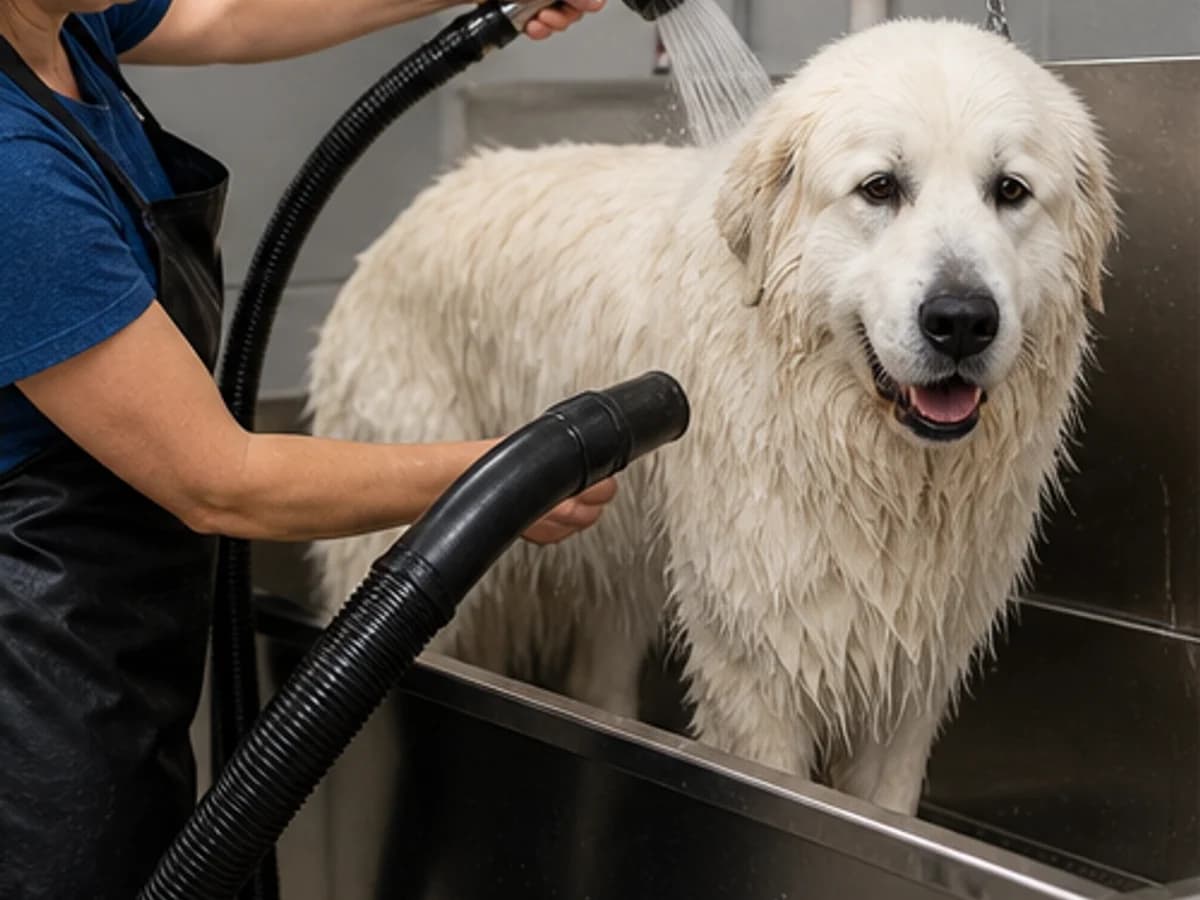
Towel-blot rather than rubbing tangles into the coat. Use a pet dryer only if the dog is conditioned to sound and airflow, keep the nozzle moving, avoid face and sensitive areas, and monitor heat. Air drying a dense coat can leave the skin damp for hours.
Check armpits, belly, behind ears, rear feathering, and under the collar. Persistent dampness, musty odor, or developing redness deserves attention.
- For the grooming task in this section, compare the Burt’s Bees oatmeal dog shampoo with coat depth, skin condition, nail thickness or the exact cleaning need. Use light pressure, good visibility and short sessions, and stop if the dog shows pain, panic or skin irritation.
Petful may earn a commission when you click through to Chewy, at no extra cost to you.
- If the Burt’s Bees oatmeal dog shampoo remains appropriate, inspect the result with your hands rather than assuming one pass completed the job. A grooming product cannot treat infection, persistent itching, painful mats or an injured nail; those signs need professional care.
Can you shave a Great Pyrenees?
Routine shaving is generally not recommended for a healthy Great Pyrenees double coat. It does not stop follicles from cycling, and short clipped hair can still shed. The coat may regrow unevenly, and shaved skin loses its normal physical coverage from sun, debris, and insects.
There are exceptions. A veterinarian may clip for surgery, wound care, imaging, severe skin disease, or medical management. A groomer may need to clip a severely matted coat when dematting would be painful. Those decisions prioritize welfare, not appearance.
Do not shame an owner whose dog was medically clipped or arrived matted from rescue. Focus on skin protection, comfortable regrowth, and a preventive routine.
Nail and paw care
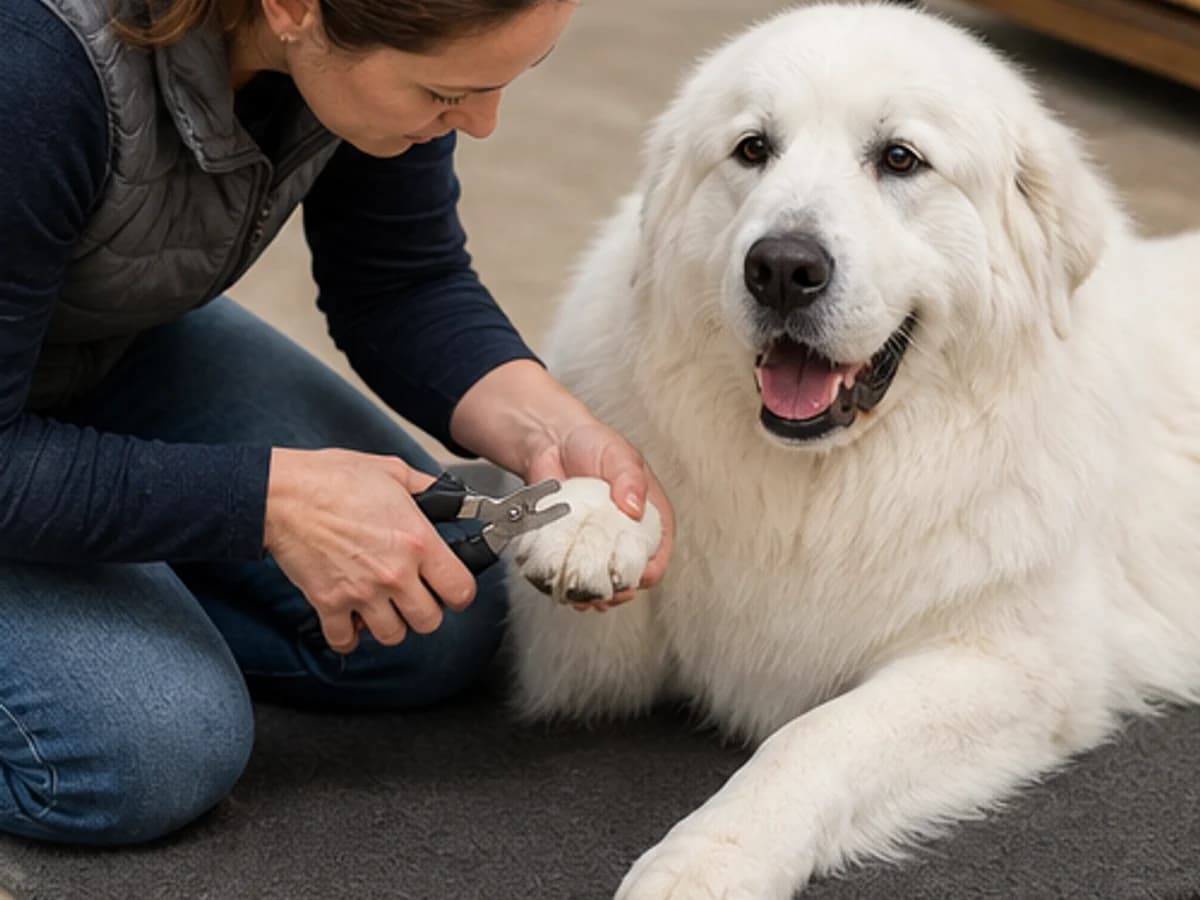
Great Pyrenees have front dewclaws and typically double rear dewclaws. Every nail needs monitoring because non-weight-bearing nails may not wear down. Overgrown nails can curl, snag, and alter footing.
A low-stress nail routine
The Pet Republique large-breed nail clipper is one tracked option to compare with nail thickness, hand strength, visibility, and the dog’s tolerance. A safety guard does not identify the quick reliably.
Use tiny trims, stable footing, bright light, and rewards. If considering the Pet Republique nail clipper, keep styptic supplies available and ask a professional to demonstrate. Split nails, bleeding that does not stop, swelling, odor, pain, or embedded dewclaws need veterinary care.
Check between toes for burrs, ice balls, foxtails, redness, cracks, and foreign material. Trim foot hair only as needed for hygiene and traction, avoiding cuts between pads.
Ears, teeth and skin
Look at the outer ear and opening without inserting swabs or tools. Redness, odor, discharge, repeated shaking, swelling, or pain warrants veterinary assessment. Do not use leftover ear medication because an intact eardrum and correct diagnosis matter.
Teach toothbrushing with dog-safe toothpaste. Begin with a brief lip lift and reward. Broken teeth, facial swelling, bleeding, drooling, dropping food, or reluctance to chew requires a veterinary dental examination.
WebVet’s guide to skin issues in dogs helps organize questions when itching or hair loss appears. Skin signs overlap across allergies, parasites, infection, endocrine disease, contact irritation, and grooming trauma, so guessing from appearance can delay care.
When to use a professional groomer
Professional grooming and skin red flags includes great pyrenees grooming near me, great pyrenees grooming cost, Skin changes that need veterinary attention, and When to use a professional groomer. These are related but distinct reader decisions, best resolved by matching care to the actual coat, skin condition and veterinary guidance rather than cosmetic claims. Use the measurements, records and observable conditions in this section to identify what is known, what still needs confirmation and which next action the evidence supports. Before acting, record the source, date and individual-dog evidence behind the conclusion. That prevents a broad breed tendency, seller label or isolated number from becoming a promise about one dog and keeps the decision practical, traceable and useful. Revisit the conclusion when the dog’s age, health, environment or household capacity changes, because the same label can lead to a different decision as the evidence changes.
Should I take my Great Pyrenees to the groomer?
The short answer is that you should take a Great Pyrenees to a groomer when mats, coat density, giant size, drying needs or handling tolerance exceed what can be managed safely at home. Professional grooming is optional when an owner can brush to the skin, bathe and dry completely, trim nails and monitor ears, paws and skin without causing fear or pain.
How much would it cost to get a Great Pyrenees groomed?
The short answer is that how much you would pay depends on location, giant size, coat density, matting, behavior, drying time and included services. Ask local groomers for itemized quotes covering brushing, bathing, drying, nails and any de-matting fee. Routine home care may reduce appointment time, while an impacted or poorly tolerated coat usually increases labor and cost.
A professional is valuable when the coat is impacted, the dog is too large for the home setup, drying is incomplete, nails are unsafe to trim, or handling requires a coordinated plan. Ask whether the salon has nonslip giant-dog equipment, drying protocols, break options, and a method for reporting skin findings.
When coat changes need veterinary input
Tell the groomer about pain, seizures, heart or breathing disease, medications, previous fear, bite history, and mobility limits. Groomers should not diagnose or sedate. Sedation or medication belongs to a veterinary plan.
Petful’s Great Pyrenees health and lifespan guide covers clinical concerns; the Great Pyrenees price guide helps include professional coat care in the budget.
A 30-minute maintenance session
Prepare tools, rewards, towels, nonslip footing, and a clear exit before bringing the dog over. Spend the first two minutes feeling for heat, dampness, burrs, tenderness, and tangles. Choose one body region rather than trying to complete the whole dog.
Brush in small lines for five minutes, pause for water or movement, and inspect the skin. Continue only while the dog remains loose and willing. Use the next interval for paws and nails, then briefly check ears, mouth, collar area, and rear feathering. Finish with an easy familiar action and note what needs the next session.
Thirty-minute grooming flow
| Time | Task | Stop signal |
|---|---|---|
| 0-2 minutes | Hands-on coat and skin check | Pain, heat, wet skin, wound or tight mat |
| 2-10 minutes | Line-brush one body region | Flinching, redness, repeated catching |
| 10-15 minutes | Break and reward | Dog cannot settle or return voluntarily |
| 15-22 minutes | Continue coat or check paws and nails | Fear, struggling or unsafe positioning |
| 22-27 minutes | Ears, teeth and friction areas | Odor, discharge, swelling or pain |
| 27-30 minutes | Easy finish and written note | Schedule professional help if incomplete |
Grooming a senior or painful dog
Use shorter sessions, thicker nonslip mats, and positions the dog chooses. Do not repeatedly lift a weak rear end or force side-lying. A ramp, seated groomer, or veterinary pain plan may make care possible. If medication is prescribed for grooming, follow the exact timing and dose.
Grooming after outdoor work
Check feet, dewclaws, armpits, belly, ears, and tail for burrs, mud, ticks, foxtails, ice, and moisture. Remove loose debris before it tightens. A dog exposed to livestock, brush, standing water, or road salt may need a different routine from a suburban companion, so adjust the checklist to actual use.
Keep a simple coat log during shedding season. Record date, body areas completed, tools, skin findings, and tolerance. This prevents repeatedly overworking the easiest area while mats develop behind ears or under legs.
Clean brushes and combs after use and disinfect them with a method appropriate for the tool, especially after a skin problem. Wash towels and covers, dry the grooming surface, and store blades or clippers safely. Do not share grooming tools between animals with unexplained hair loss, parasites, sores, or infection signs until a veterinarian advises how to prevent spread.
- For the grooming task in this section, compare the Pet Republique large-breed nail clipper with coat depth, skin condition, nail thickness or the exact cleaning need. Use light pressure, good visibility and short sessions, and stop if the dog shows pain, panic or skin irritation.
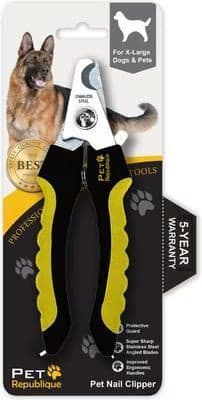
Sharp stainless-steel clippers with a built-in safety guard to help prevent over-cutting, sized for large breeds.
Petful may earn a commission when you click through to Chewy, at no extra cost to you.
- If the Pet Republique large-breed nail clipper remains appropriate, inspect the result with your hands rather than assuming one pass completed the job. A grooming product cannot treat infection, persistent itching, painful mats or an injured nail; those signs need professional care.
White-coat stains, odor and cosmetic myths
White hair makes saliva, tears, mud, urine, and environmental stains visible, but color alone does not identify a cause. Wipe minor fresh debris gently and keep friction areas dry. Repeated tear staining, face rubbing, eye redness, discharge, mouth odor, skin odor, or urine scald needs assessment rather than bleaching products.
Avoid peroxide, laundry products, human whitening shampoo, essential oils, and unverified stain removers. A cosmetic product can irritate eyes or skin while hiding signs that would help diagnosis. The goal is healthy skin and comfortable coat, not a competition-white finish.
Mud, snow and burr season
In muddy weather, let surface dirt dry when appropriate and brush it out instead of shampooing the whole dog repeatedly. Rinse salt or chemical deicer from paws and lower legs. In snow, check for ice balls between toes and along feathering, and dry the skin after returning indoors.
Burrs and foxtails should be found early. Work loose plant material out with fingers and appropriate tools, but do not dig into skin. Foxtails can migrate into paws, ears, eyes, nose, or skin; sudden sneezing, head shaking, squinting, draining tracts, or focal licking warrants veterinary care.
Coat change can be a health clue
Seasonal shedding is expected, but symmetric thinning, brittle hair, delayed regrowth, darkened skin, recurrent infection, or a coat change accompanied by thirst, weight, appetite, or energy changes may reflect disease. Photograph the pattern in consistent light and schedule an examination.
Nutrition deficiencies are not the default explanation in a dog eating a complete diet. Do not add oils, vitamins, minerals, or biotin casually. Supplements add calories and can interfere with health conditions or balanced nutrition; discuss the complete diet and clinical signs with the veterinarian.
Build a six-zone coat and handling map
A hands-on coat map prevents the visible white surface from hiding undercoat, friction mats or skin change. Divide the dog into six zones and record the tool, tolerance and finding for each rather than brushing randomly until the coat looks smooth.
Use these zones:
- Neck, collar line and behind the ears: check compression, tangles and moisture.
- Chest, armpits and front feathering: part to the skin and avoid scraping thin areas.
- Back, ribs and flanks: line-brush in sections and verify with a comb.
- Trousers, tail base and rear feathering: look for packed coat, stool contamination and pulling.
- Belly, groin and friction points: use light handling and stop for pain or skin irritation.
- Feet, pads, nails and double dewclaws: inspect length, cracks, debris and safe movement.
Write the date, coat-release level, tools used, session length and any area the dog could not tolerate. During a seasonal coat blow, the schedule may shift to shorter, more frequent sessions. After bathing, record how long full drying takes and recheck the skin rather than assuming the outer coat proves dryness.
The map also shows when home care is no longer enough. Tight mats, odor, discharge, sores, sudden hair loss, persistent itching, painful nails or a dog who cannot be handled safely needs professional grooming or veterinary input appropriate to the problem. A seasonal schedule should adapt to coat release, skin condition and tolerance, not to an arbitrary appointment count.
More Great Pyrenees guides from Petful
Keep Petful’s complete Great Pyrenees breed profile as the ownership overview; use this page for the line-brushing, coat-blow, drying and handling decisions the white double coat requires.