Choosing to bring a dog into your life is a decision that takes careful consideration. With so many breeds of different sizes and temperaments, it can be challenging to know where to begin your search. When searching for your perfect companion, it’s essential to consider your lifestyle in addition to a dog’s best traits. If you’re seeking an energetic, loving, and highly intelligent dog of smaller stature, consider the Shetland Sheepdog.
The Shetland Sheepdog’s Temperament
Members of the Herding Group, Shelties are extremely intelligent, alert workers. This breed has a lot to offer their families. Not only are they an affectionate, intuitive addition to the family, but they also make for excellent watchdogs.
Shelties are athletic, highly trainable, and eager to please their loved ones. The breed is very energetic but adaptable, making them a good option for folks who live in smaller spaces. As long as a Sheltie has plenty of opportunities to exercise, they’ll be happy. Shelties, in general, are happy to engage in most activities or relax on the couch as long as their person is close by.
Physical Traits and Grooming Needs
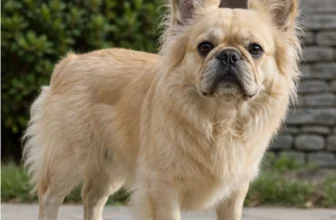
Shelties strongly resemble the Collie, a close relative of the breed. The simplest way to differentiate the two is to think of Shelties as Collies in a smaller package, averaging between 13 and 16 inches tall and weighing 15 to 25 pounds. They don a long, fluffy double coat. Their harsh, straight coats come in black, blue merle, and sable, with white markings. Shelties’ lush coats and long, wedge-shaped heads are two of the breed’s most recognizable traits.
Shelties’ profuse, double coat sheds a lot throughout the year, with more pronounced shedding once to twice a year. Weekly brushing is key to keeping a Shetland Sheepdog looking their best, keeping the coat clean and mat- free. This will aid in keeping the tumbleweeds of hair at a minimum. Matting most commonly occurs behind the ears, under the elbow on each front leg, and in the “pants” under the tail.
Prospective owners should be prepared to maintain a Sheltie’s thick coat. Shaving isn’t a good option for this breed as their coats protect against heat, sunburns, and the cold. As with all dogs, you should trim Shelties’ nails and the hair around the foot pads should be trimmed regularly. The breed doesn’t require regular bathing.
How Much Training Do Shetland Sheepdogs Need?
Puppy training courses and early socialization are highly recommended for all breeds, and Shelties are no exception. Shelties are star students when it comes to intelligence and trainability. They’re ready and willing to please, and make fantastic candidates for dog sports like agility and obedience. Shelties are known to be very vocal, but they can be taught to keep excessive barking to a minimum.
Herding breeds have the desire to chase or gather deeply rooted in their nature. Shelties will chase just about anything from squirrels to cars. Keeping the breed on leash and allowing them to play in well-fenced yards will prevent them from running away.
Are Shetland Sheepdogs Good for Families?
Shelties make excellent companions and can form strong bonds with their families. They can do well with kids, but would fare best in a home with older children due to their herding instincts. Shelties are quite athletic, and require regular mental and physical exercise to keep them from acting out.
If you want a watchdog that’s not as imposing as other breeds, Shelties are a good choice. They have an alert, loud bark, and strong discernment skills. Proper, consistent training and socialization will ensure a Sheltie grows into a well-behaved adult.
How Social Are Shetland Sheepdogs?
Shelties are energetic and loving with their families and other familiar animals, but have a tendency to be reserved towards strangers. Their skepticism of new people and vigilant outlook makes the breed strong watchdogs. Early socialization and training will is recommended to ensure that they don’t become fearful of new faces and situations.