If you’ve been searching for a better litter box solution, wood cat litter may have already caught your eye. Wood cat litter is a type of cat litter made from compressed wood fibers or pellets designed to absorb moisture and control odor naturally.
This natural alternative to traditional clay litter has been gaining steady traction among cat parents who are tired of hauling heavy bags, dealing with dusty pour-outs, or simply want something that feels a little more environmentally friendly. Whether you stumbled across it while browsing options online or spotted it on a store shelf, there are many reasons that modern cat moms and dads are curious about making the switch.
In this article, we’ll walk through everything you need to know about wood-based cat litter, how it works, the different types available, and how to figure out if it might be a good match for your cats and your home.
Petful may earn a commission if you click on our links and make a purchase. This comes at no extra cost to you and helps us continue providing trusted pet product reviews.
Don’t Guess When It Comes To Your Pet’s Care
Sign up for expert-backed reviews and safety alerts all in one place.

Don’t Guess When It Comes To Your Pet’s Care
Sign up for expert-backed reviews and safety alerts all in one place.
Wood-based cat litter is exactly what it sounds like: cat litter made from wood-based materials, typically compressed wood fibers or in the form of pellets. Depending on the brand, it may be sourced from reclaimed lumber, sawdust byproducts, or softwood fibers, which are processed and refined into litter that works in a standard box.
Because it’s made from a renewable natural resource rather than strip-mined clay, wood litter appeals to cat owners who are especially mindful of their environmental footprint. That said, it’s not just about eco-friendliness. Many people find that wood litter simply performs better for their household in terms of affordability, dust levels, weight, and best yet: odor control.
There are two primary types to know about: wood pellet litter and soft wood cat litter. Both use wood as the core material, but they look and behave quite differently in practice.
Fun fact: Catalyst Pet Natural Cat Litter is eco-friendly, made from upcycled soft wood waste, and considered to be a sustainable choice for cats and the environment.
How Does Wood Cat Litter Work?
Wood naturally absorbs moisture, which is the basic principle behind how wood cat litter works. The porous fibers draw in liquid rather than just sit on top of it, helping trap odor at the source rather than masking it with heavy fragrances.
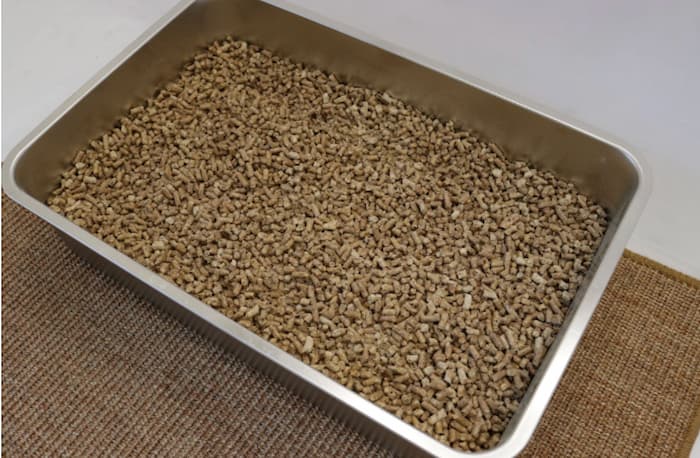
With pelletized litter, the wood pellets are firm and cylindrical when dry. As they absorb moisture, they break down into fine sawdust. Most people using this type pair it with a sifting litter box, which allows the used sawdust to fall through while the clean, intact pellets stay on top. It’s a low-fuss system that cat parents will appreciate.
Soft wood cat litter works differently. Because the fibers are finer, the texture is closer to what cats are used to from clay litter. Some formulas even formclumps, making scooping feel more familiar.
Products like Catalyst Pet Natural Cat Litter use upcycledsoft wood fibers designed to absorb moisture efficiently while helping control odor and reduce dust. Added bonus is that the litter also clumps.
Understanding the differences among wood litter types can help you choose what works best for your cat and your household preferences.
Pelletized Cat Litter
Wood pellet litter is made from compressed wood formed into small cylindrical pellets. Here’s what sets it apart:
- The pellets are larger and firmer when dry, giving them a distinct look and feel compared to traditional litter.
- When moisture is absorbed, the pellets break down into fine sawdust, signaling that they’ve done their job.
- Most people use wood pellets litter with a sifting litter box, which lets the spent sawdust fall through while clean pellets stay on top.
- This type is typically non-clumping, so the maintenance routine is a bit different from what clay litter users are used to.
- Dust levels tend to be pretty much non existent, which many cat owners appreciate, especially those sensitive to the clouds that pour-out from clay.
- The texture can feel unfamiliar to cats accustomed to softer litter, so a slow transition is recommended.
Soft Wood Cat Litter
Soft wood cat litter is made from smaller, finer wood fibers and is often easier for cats and owners making the switch. Here’s what makes it different:
- The texture is noticeably softer and closer to traditional clay litter, which makes it more comfortable for most cats right away.
- Some formulas offer clumping, so scooping feels familiar rather than like an entirely new routine.
- It works in standard litter boxes without any special equipment, such as sifters or two-tray systems.
- Dust levels are generally low, making it a good option for households where air quality or allergies are a concern.
Catalyst Pet Natural Cat Litter is a good example of a soft wood fiber formula designed with both natural ingredients and practical usability in mind.
Like any litter type, wood cat litter has advantages and limitations.
Pros
- Wood cat litter is significantly lighter than clay, which makes a real difference when you’re hauling bags home or managing multiple cats.
- Many formulas produce far less dust than clay, which can be a game-changer for households where someone has allergies or respiratory sensitivities.
- It’s made from natural soft wood fibers or pellets, making it an earth-friendly choice compared to strip-mined clay.
- Wood fibers absorb moisture and trap odor at the source rather than masking smells with heavy fragrance, so the control feels cleaner and more natural.
- Several wood litter options are biodegradable, which means less guilt about what ends up in the trash.
- Affordable and efficient.
- Catalyst has strong clumping powder.
Cons
- Some cats need time to adjust to the new texture, particularly with pellet-style litter that is likely to feel very different from what they’re used to.
- Clumping ability varies widely from brand to brand, so if strong clumps are important to your routine, it’s worth researching specific formulas before committing.
- Not all types of wood litter are compatible with automatic or self-cleaning litter boxes, so it’s worth checking before you buy.
This is probably the question most cat parents ask before making any change to their litter routine, and the honest answer is that it really depends on your cat and what matters most to your household. There is no single right answer here, but understanding what each type brings to the litter box can help you make a more confident decision.
Benefits of Using Wood Cat Litter
- It is significantly lighter than clay, which anyone who has ever struggled to carry a 40-pound bag up a flight of stairs will deeply appreciate.
- It is made from natural wood fibers or pellets, appealing to cat parents who want to move away from dusty clay strip-mined from the earth.
- Many formulas are significantly lower in dust than traditional clay, making the daily scoop-and-pour a lot more pleasant, especially for cats or people who are sensitive to airborne particles.
- Depending on the formula, some wood litter is biodegradable, which means a smaller environmental pawprint.
- Effective odor control since wood absorbs and doesn’t just “mask” odors.
Benefits of Using Clay Cat Litter
- Most cats have grown up with clay litter, so the texture is already familiar to them. Familiarity matters a lot when it comes to litter box habits, as cats can be finicky.
- Clay litter clumps firmly and consistently, which makes scooping quick and straightforward for cat parents who have built their whole routine around it.
- It is widely available in almost every grocery store, pet shop, and online, so running out is rarely a crisis. Catalyst is available at Walmart and many other places.
How Wood Cat Litter is Closing the Gap
The gap between wood and clay has narrowed considerably in recent years. Newer wood-based formulas are doing a much better job of delivering the performance cat parents expect, not just the natural material bragging rights.
For example, Catalyst Pet Natural Cat Litter is a good example of this, using upcycled soft wood fibers to offer solid odor control and scoopability alongside the lower-dust, lighter-weight benefits that make wood litter worth considering in the first place. Today, wood cat litter is easy to find online and in stores, including at Walmart, so accessibility is no longer a major concern.
The Most Important Factor in Choosing
At the end of the day, your cat is the main decision maker. Some cats transition from clay to wood litter without skipping a beat. Others are more particular and need a little encouragement. If your cat is hesitant, do not switch everything over at once.
Start by mixing a small amount of wood litter into their current clay litter and gradually increase the ratio over the course of a week or two. A slow transition gives your cat time to get comfortable with the new texture and smell without feeling like the whole litter box has been turned upside down overnight.
If you’re looking for lower-dust options, lighter bags that are easier to manage, or litter made from natural, sustainable materials, wood cat litter is absolutely worth a try. Many people find that switching makes their daily litter box routine feel noticeably cleaner and more manageable.
That said, it’s best to give your cat time to adjust without expecting overnight success. Start the transition slowly, pay attention to how your cat responds, and be willing to experiment with different types before drawing conclusions. What matters most at the end of the day is a cat who uses their box consistently and a pet parent who doesn’t dread cleaning it.
If you decide to switch, a gradual transition works best. Start by blending wood litter with your cat’s current litter and slowly shift the ratio over a week or two.
Is wood cat litter safe for cats?
Yes, wood cat litter is considered safe for cats. Most formulas are made from natural wood fibers or reclaimed wood materials with no toxic additives, so you do not have to worry about harmful ingredients. Additionally, many wood litters produce significantly less dust than clay, which is a major win for cats and cat parents who are sensitive to airborne particles.
Is wood cat litter better than clay litter
It depends on your cat and your household. Wood cat litter brings real advantages like lighter weight, lower dust, and natural odor control, but some cats are deeply loyal to the texture of clay and need time to come around to something new. The best approach is to try it gradually and let your cat help you decide.
Do cats like wood cat litter?
Many cats adjust just fine, especially soft wood cat litter that has a texture closer to what they are already used to. That said, every cat has an opinion, and some are more resistant to change than others. A slow transition, where you mix wood litter into the existing litter over a week or two, tends to make the adjustment much smoother for pickier cats.
What is the best wood cat litter?
Many cats take to it just fine, especially soft wood cat litter that has a texture closer to what they are already used to. That said, every cat has an opinion, and some are more resistant to change than others. A slow transition, where you mix wood litter into the existing litter over a week or two, tends to make the adjustment much smoother for pickier cats.
Where can I buy wood cat litter?
Wood-based cat litter is easy to find these days. You can order it online or pick it up at most pet stores and major retailers. There are also plenty of wood cat litter options available at Walmart, both in-store and online, so you are unlikely to have trouble finding a formula that works for you.
Does wood cat litter control odor well?
Yes, and it does it in a way that feels cleaner than a heavy fragrance. Wood fibers naturally absorb moisture and trap odor molecules rather than just masking smells. Formulas like Catalyst Pet natural cat litter are specifically designed with odor control in mind, so you get the benefit of natural materials without sacrificing the performance you expect from a good litter.
Wood cat litter is not the right fit for every household, but for many cat parents, it turns out to be a genuinely better day-to-day experience. The bags are lighter, the dust is lower, and the odor control comes from natural absorption rather than a heavy fragrance trying to cover something up.
Sustainable options like Catalyst Pet Natural Cat Litter showcase how far wood-based products have come, combining natural wood fibers with real odor control that holds up in actual homes with actual cats. It is no longer a compromise between going natural and achieving desired results, as now you can have both.
The key to a successful switch is patience and observation. Not every cat will warm up to a new litter texture right away, and that is completely normal. When you transition gradually by mixing wood litter into what your cat already uses, most cats adapt without much fuss. Pay attention to how your cat responds, be willing to try different formulas if the first one is not a hit, and remember that the goal is a litter box your cat actually wants to use.